Landscape Photography Myths That Hold Beginners Back
One of the fastest ways beginners sabotage their growth in landscape photography isn’t bad technique—it’s believing the wrong advice. Scroll through forums, YouTube comments, or social media groups and you’ll quickly find a long list of rules you’re supposedly required to follow.
You must have perfect light.
You must shoot in manual mode.
You must own a full-frame camera.
You must use a tripod.
These myths sound authoritative, but they often do more harm than good. They intimidate beginners, discourage experimentation, and shift focus away from what truly matters: seeing, storytelling, and creative problem solving.
In this article, we’ll break down six common landscape photography myths beginners should ignore, explain why they persist, and show you how to think more creatively and confidently in the field. If you’re serious about improving your landscape photography—without chasing gear or perfection—this guide is for you.
If you’re looking for a complete step-by-step roadmap, this article is part of a broader beginner resource. You may also find it helpful to explore our comprehensive Nature Photography for Beginners Guide, which gives step-by-step guidance into camera settings, composition fundamentals, and post processing techniques.
Myth #1: You Must Have Great Light to Take Landscape Photos
There’s no denying that beautiful light can elevate a landscape photograph. Golden hour glow, dramatic storms, and colorful sunsets are visually compelling. But believing that only great light produces great photos is one of the most limiting myths in landscape photography.
Overcast skies, fog, rain, and flat light are often dismissed as “bad conditions,” yet they can be incredibly powerful when used intentionally. Soft light reduces contrast, enhances subtle color transitions, and eliminates harsh shadows—making it ideal for waterfalls, forest scenes, intimate landscapes, and moody compositions.
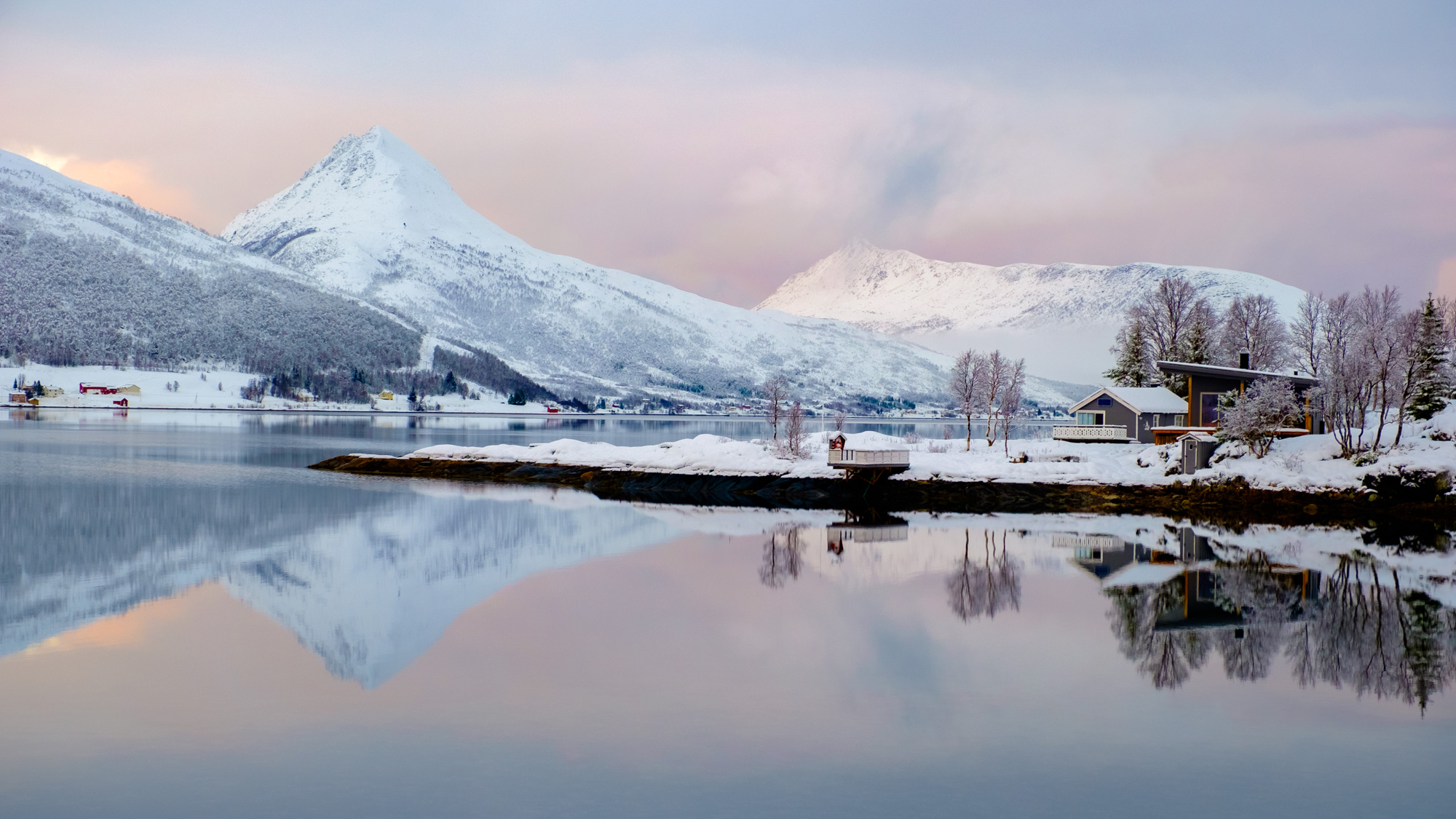
Landscape photography from Senja Norway under partly overcast skies by Ugo Cei
A skilled photographer doesn’t wait for perfect light—they learn to work with what’s available. Overcast skies can emphasize shape and texture. Harsh midday light can create bold shadows and graphic compositions. Even dull conditions can be transformed through thoughtful framing and post-processing.
Modern digital sensors capture far more information than we can see with our eyes. Subtle color shifts, tonal separation, and atmospheric depth often exist in RAW files even when the scene looks uninspiring at first glance. Careful post-processing can reveal those hidden qualities and breathe life into a photograph that initially felt flat.
Myth #2: Always Use Manual Exposure for Landscape Photography
Few myths are as persistent—or as misunderstood—as the belief that “real photographers” always shoot in manual mode. While manual exposure is a valuable tool, it is not a badge of honor, nor is it the most efficient choice in many landscape situations.
Many experienced landscape photographers rely heavily on aperture priority mode, especially when light conditions are changing. Aperture priority allows you to control depth of field—arguably the most important creative decision in landscapes—while the camera calculates shutter speed accurately and consistently.
Modern cameras are exceptionally good at metering exposure. Exposure compensation allows you to fine-tune results quickly without slowing down your workflow. In dynamic environments where clouds move rapidly or light shifts by the second, aperture priority often leads to more keepers, not fewer.

Landscape photo shot in aperture priority mode. Notice: There is no overexposure on the water, Plitvice Lakes NP, Croatia
Manual mode excels when you need consistent exposure across multiple frames—such as panoramas, focus stacking, or stitched images—not because it’s inherently more accurate. Using manual exposure simply because someone told you it’s “more professional” misses the point entirely.
Photography is about problem solving, not proving something to other photographers.
Myth #3: You Need a Full-Frame Camera for Landscape Photography
The idea that full-frame cameras are mandatory for landscape photography has convinced countless beginners that their gear is holding them back. In reality, sensor size matters far less than composition, timing, and technique.
APS-C and Micro Four Thirds cameras are more than capable of producing professional-quality landscape images. They offer excellent dynamic range, sharpness, and color depth—often at a fraction of the size, weight, and cost of full-frame systems.
Here are is an example on Visual Wilderness taken with an APS-C sized sensors:
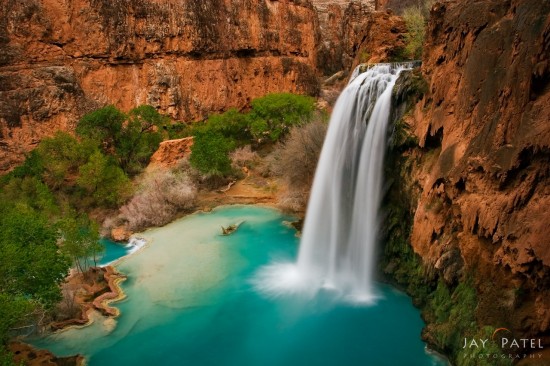

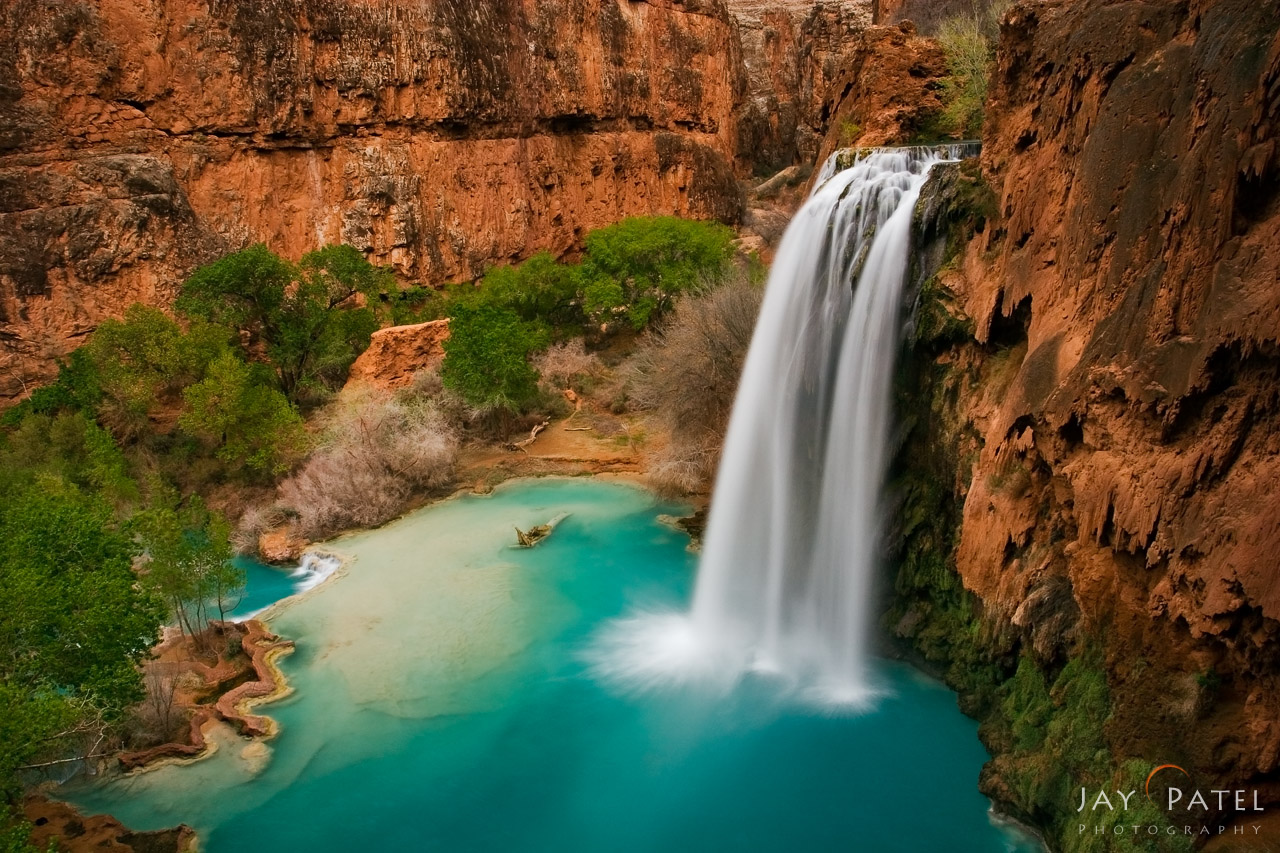
Landscape photo captured with crop factor camera, Havasu Falls by Jay Patel

Landscape photography with a crop factor camera from Dry Tortugas, Florida
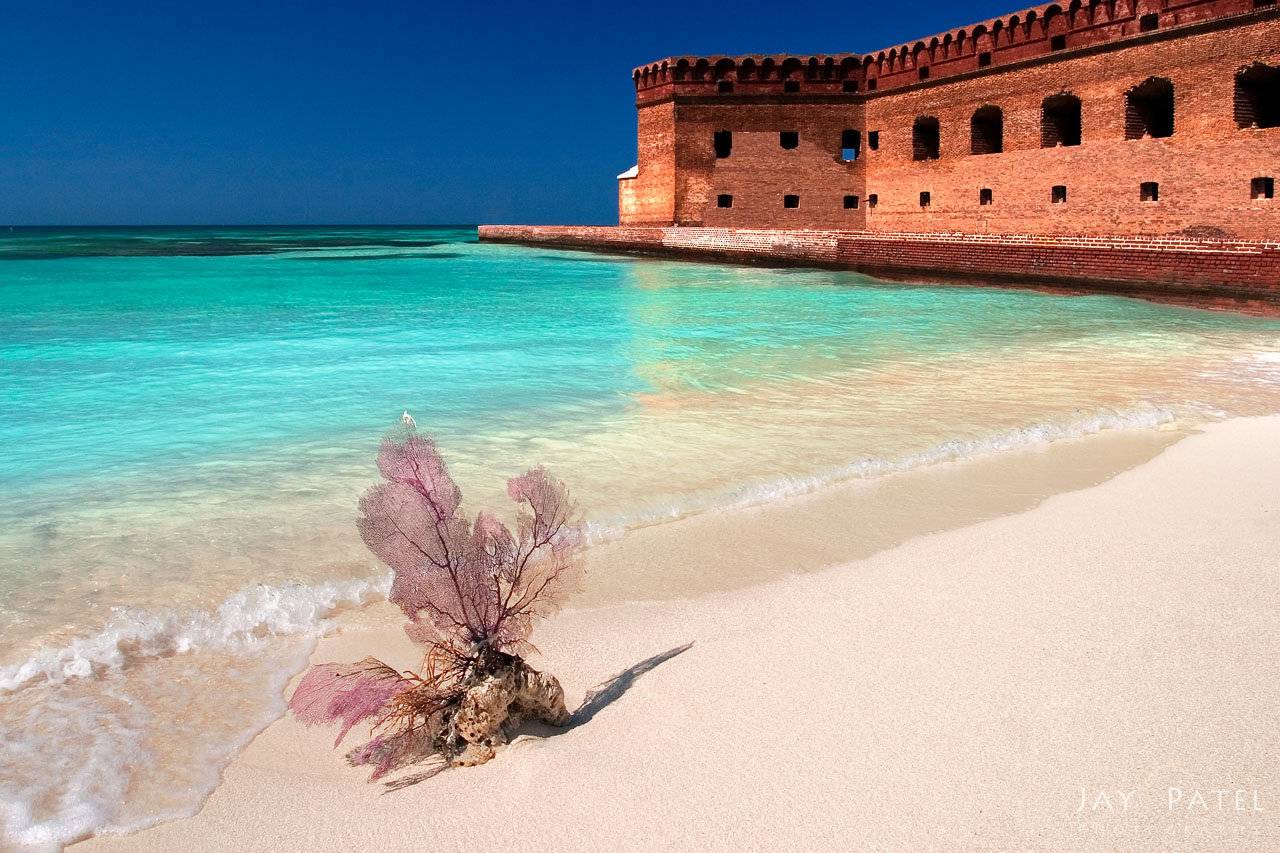
If full frame were truly essential, then medium format shooters would dismiss full frame entirely—and yet incredible landscape images are created across every sensor size. The obsession with sensor size distracts beginners from developing their visual skills.
Smaller sensors even offer advantages: greater depth of field for the same aperture, lighter kits for hiking and travel, and more affordable lenses. The best camera is the one you’re willing to carry, use, and learn deeply.
Myth #4: You Must Always Use a Tripod
Tripods are invaluable tools, but treating them as mandatory can cause you to miss opportunities—or avoid shooting altogether. There are plenty of situations where handheld landscape photography is not only acceptable, but preferable.
Travel photography, urban landscapes, aerial shooting, boats, airplanes, and spontaneous moments often make tripod use impractical or impossible. Modern cameras handle higher ISO values remarkably well, and a small amount of noise is far less damaging than motion blur or a missed moment.
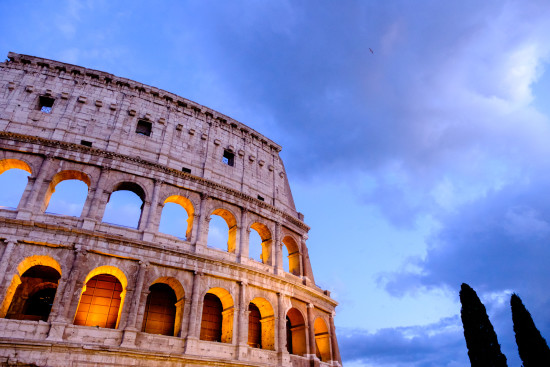
Handheld travel photography from The Colosseum, Rome Rome, Italy

Handheld aerial photography from Landmannalaugar, Iceland by Jay Patel
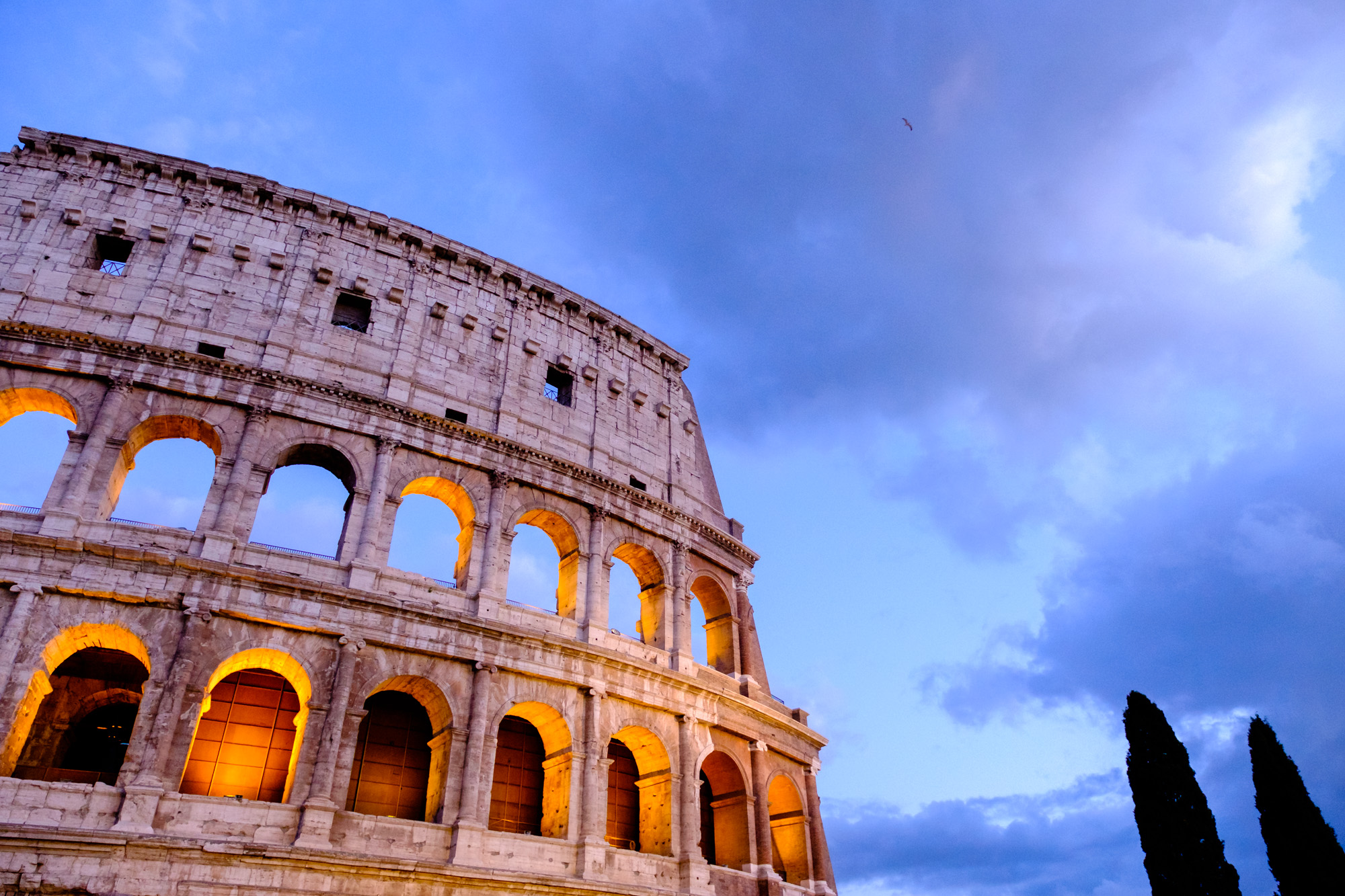

Using auto-ISO with a minimum shutter speed allows you to react quickly while maintaining image sharpness. Noise that’s visible at 100% zoom often disappears completely in prints and web-sized images.
Tripods are tools—not rules. Use them when they help, and don’t hesitate to leave them behind when mobility, timing, or physical comfort matters more.
Myth #5: You Need a Special Ball Head for Panoramic Landscapes
Panoramic photography intimidates beginners because it’s often associated with expensive, bulky panoramic heads. The truth is that you can create excellent panoramas with standard gear and modern software.
Lightroom and Photoshop are extremely effective at stitching images together—even when they aren’t perfectly aligned. By following a few simple practices—overlapping frames, keeping exposure consistent, and avoiding extreme foreground movement—you can produce seamless panoramas without specialized equipment.
Shooting in portrait orientation increases vertical resolution, and using an L-bracket improves stability, but neither is strictly required. For most landscape photographers, specialized panoramic heads add complexity without meaningful benefits.
The barrier to panoramas isn’t gear—it’s confidence and technique. Here are few panoramic landscape photos on Visual Wilderness that were taken with a regular ball head.


Panoramic Landscape from Hraunfossar, Iceland
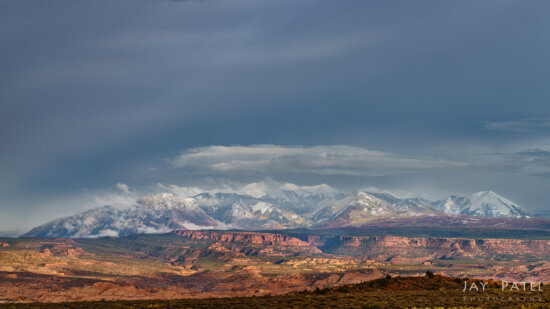

Panoramic Landscape photography of La Sal Mountains Overlook, Arches National Park, Utah

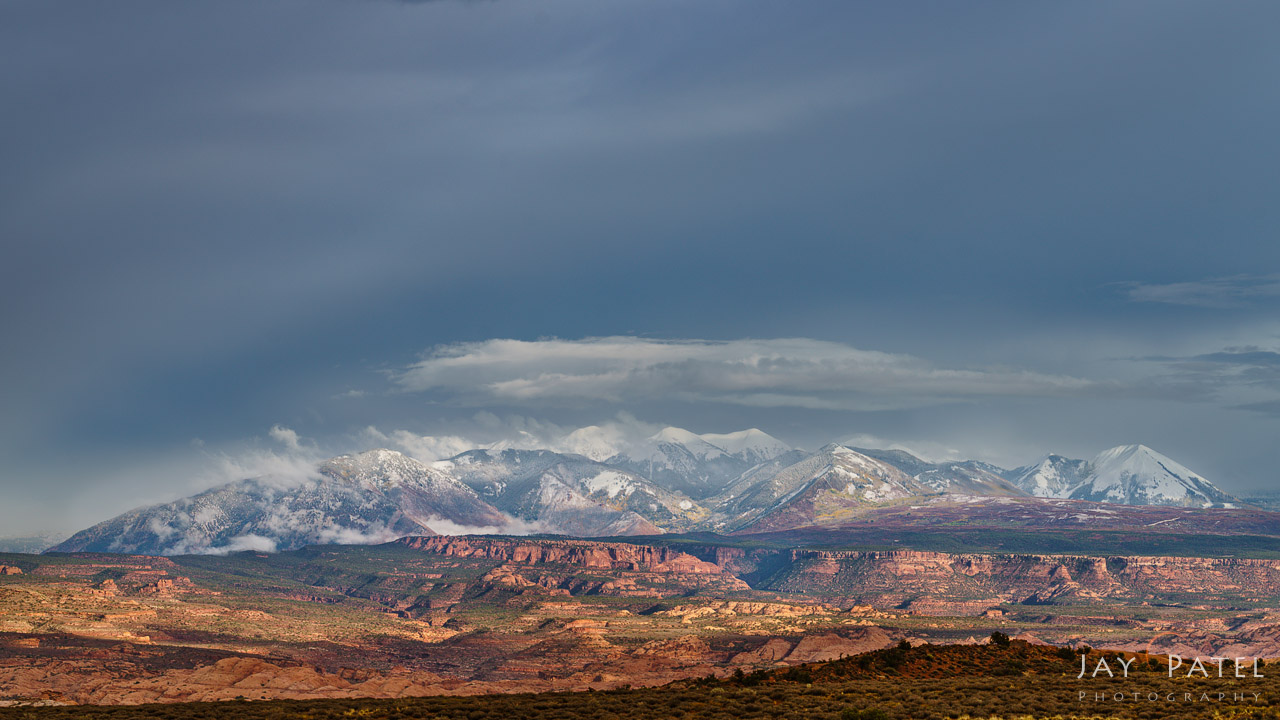
Nature does not alway conform to 3×2 format. There are times when a panorama is best suited to capture the stunning beauty of the scene. And you dont need any special equipment to do that. Photoshop and Lightroom have become insanely good at stitching together panoramas, if you take some precautions when shooting them. Special panoramic equipment such as panoramic heads are bulky, heavy, expensive, and not necessary 99% of the time.
I like to turn the camera to portrait orientation when I am taking panoramas because it gives me more vertical resolution. For this reason, I use an L-bracket so I can mount the camera on the tripod without turning the ball-head 90°; this gives it more height and more stability.
Myth #6: Avoid HDR for Landscape Photos
HDR has earned a bad reputation because it’s often abused. Over-saturated colors, crunchy contrast, and unnatural halos have turned many photographers away from the technique entirely. That’s a mistake.
HDR, when done subtly, is simply a way to manage dynamic range—nothing more. The best HDR images don’t look like HDR at all. They look natural, balanced, and true to the experience of being there.
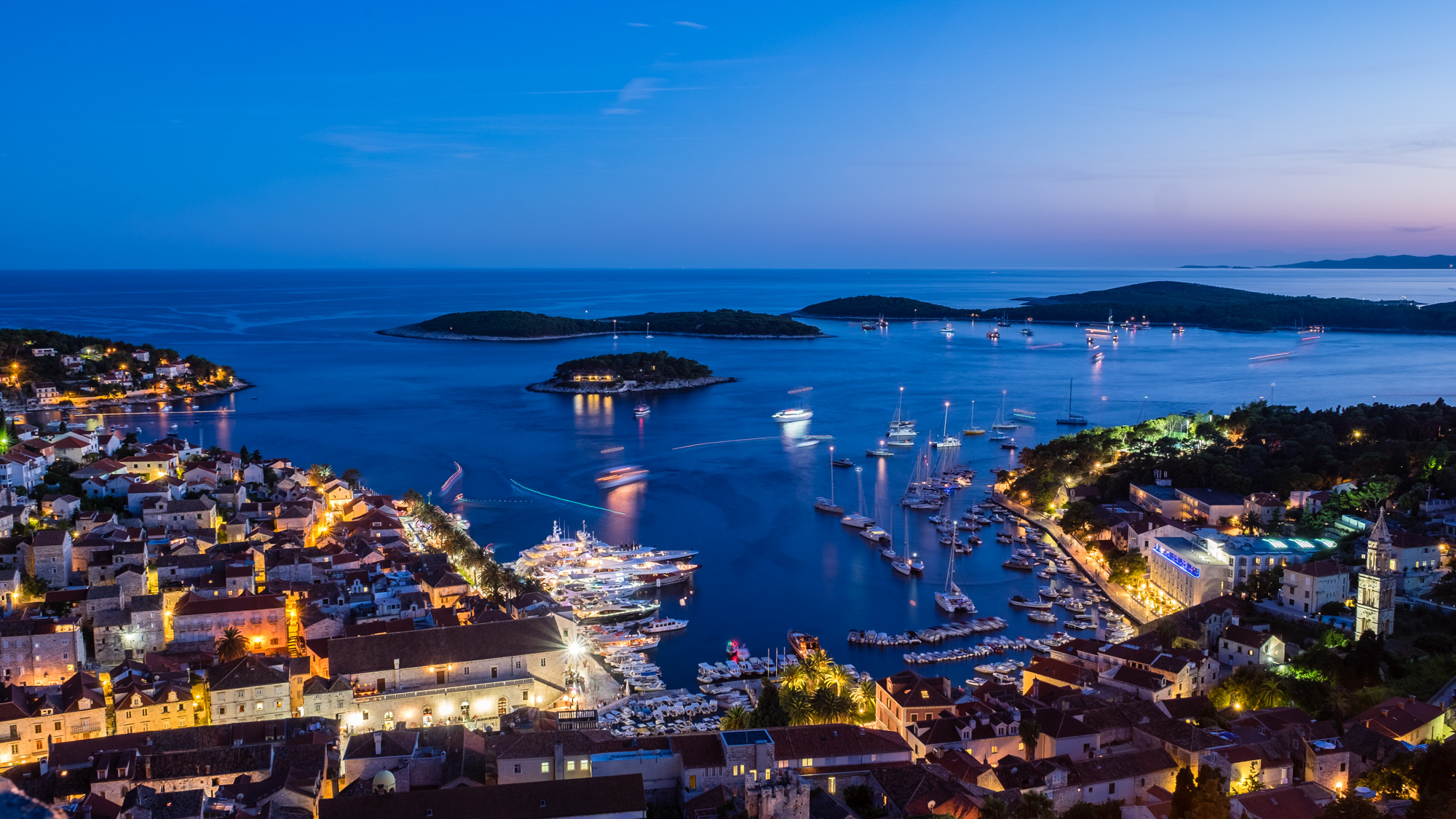
HDR travel photography example created by combining three bracketed shots at -1, 0, and +1 EV
Bracketing exposures gives you flexibility. It allows you to preserve highlight detail in bright skies while maintaining texture in shadowed foregrounds. Whether you blend manually or use HDR software, restraint is the key.
Avoiding HDR entirely means unnecessarily limiting your creative options.
Conclusion: Break the Myths, Build Your Vision
Landscape photography doesn’t improve by following rigid rules—it improves by understanding why tools and techniques exist, then using them intentionally. Myths persist because they’re simple. Reality is more nuanced.
You don’t need perfect light.
You don’t need manual mode.
You don’t need a full-frame camera.
You don’t need a tripod or specialized gear.
What you do need is curiosity, patience, and the willingness to experiment. Question advice. Test assumptions. Learn from your own results. The most meaningful progress happens when you stop chasing rules and start developing your personal vision.
Above all, keep shooting—and don’t let myths decide when or how you create.
Original Article Published in August 2019.
About Author Ugo Cei

Ugo Cei is a fine-art travel and landscape photographer from Italy. If you were to ask him what he does, he would say that he is an educator who helps photography enthusiasts sharpen their skills, so that they can take amazing pictures.
He does this in various ways. First of all, by providing a wealth of free content here on Visual Wilderness and on his own website.
He leads photography tours and workshops to some cool destinations, including Scotland, Venice, Cappadocia, Oman, Greece, Kenya, and others.
He co-hosts and publishes a weekly podcast about travel photography, The Traveling Image Makers. Every week, they pick the brains of famous and not-so-famous travel photographers to learn what it means to travel for the love of photography and photograph for the love of travel.