Top 10 Beginner Landscape Photography Tips for Stunning Photos
Nature photography is one of the most rewarding creative pursuits, yet it can feel overwhelming for beginners. From understanding camera settings to choosing the right light, many new photographers struggle to translate what they see in front of them into compelling images. If you’ve ever returned from a trip with photos that didn’t match the beauty of the scene, you’re not alone.
This beginner nature photography guide breaks down the top 10 essential tips for nature photography beginners, focusing on practical techniques that consistently lead to stronger images. Whether you’re using a DSLR or mirrorless camera, these foundational skills will help you improve your landscape photography, sharpen your compositions, and develop confidence in the field.
If you’re just starting out—or setting a goal to improve your photography—these tips will help you build the right habits early and avoid common mistakes that hold beginners back.
If you’re looking for a complete step-by-step roadmap, this article is part of a broader beginner resource. You may also find it helpful to explore our comprehensive Nature Photography for Beginners Guide, which gives step-by-step guidance into camera settings, composition fundamentals, and post processing techniques.
1. Get to Know Your Digital Camera
One of the most important beginner nature photography tips is learning how your camera actually works. Many photographers invest in high-end gear but never take the time to understand their digital camera’s core functions.
Start by reading the manual—yes, really. Focus on learning:
- Exposure settings (aperture, shutter speed, ISO)
- Autofocus modes
- Metering options
- Shooting modes (Manual, Aperture Priority, Shutter Priority)
Understanding how your camera behaves in different lighting conditions gives you control over the final image instead of relying on guesswork. This knowledge becomes especially critical before embarking on an expensive landscape photography road trip, where missed shots can’t be recreated.
2. Use a Tripod to Get Sharp Landscape Photos
Sharpness is one of the biggest challenges beginners face in landscape photography. Even slight camera movement can introduce blur—especially when shooting at slow shutter speeds.
Using a sturdy tripod is essential for:
- Long exposure photography
- Low-light conditions (sunrise, sunset, blue hour)
- Maximizing image detail
- Precise composition
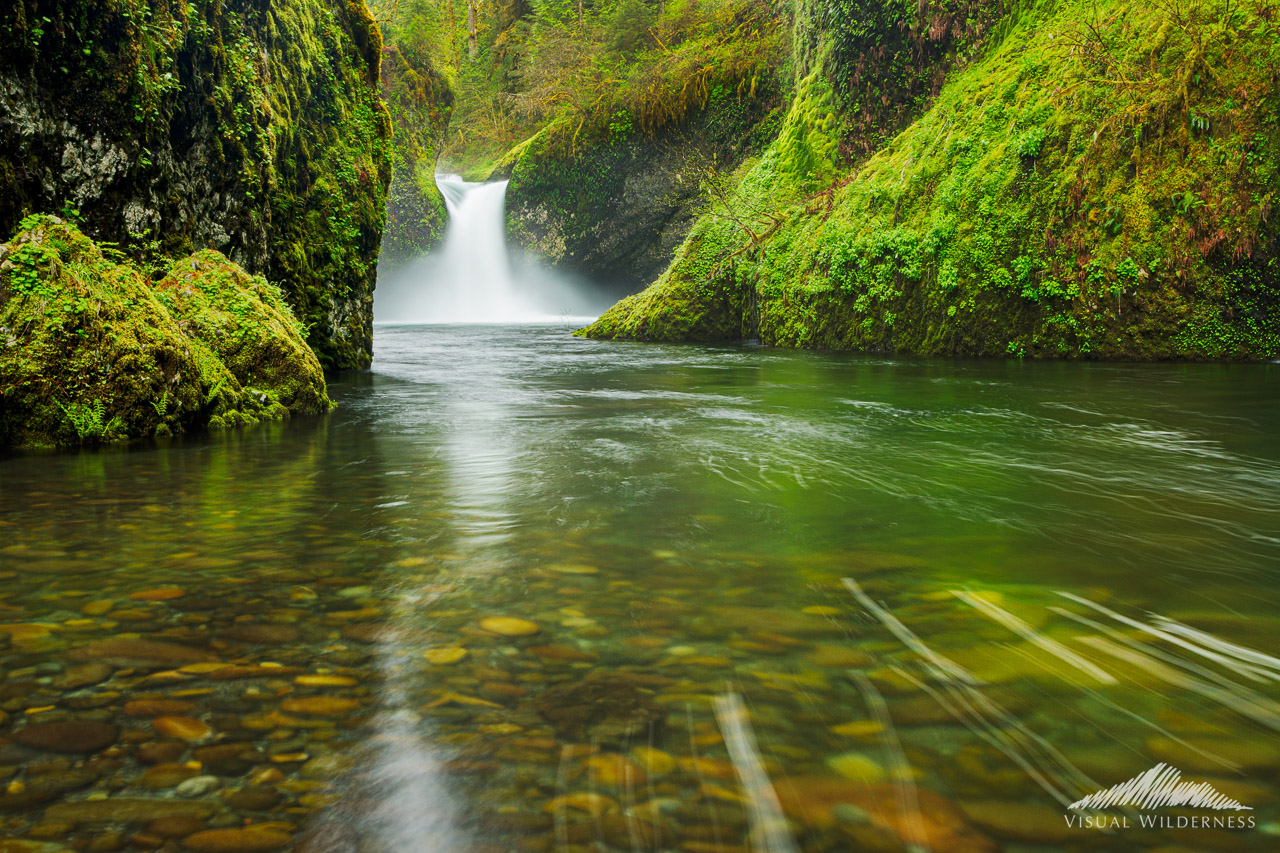
Slow shutter speed requred use of a Tripod – Punch Bowl Falls, Columbia River Gorge, Oregon
A tripod allows you to slow down, fine-tune your framing, and make intentional creative decisions. For beginners learning landscape photography, a tripod is not optional—it’s a foundational tool.
3. Use the Right Camera Lenses for Nature Photography
Choosing the right lens can dramatically change how a landscape or nature scene is captured.
Wide-Angle Lenses
Wide-angle lenses are ideal for:
- Capturing expansive landscapes
- Emphasizing foreground elements
- Creating a strong sense of depth and scale
They are commonly used in beginner landscape photography because they help include more of the scene in a single frame.

Wanaka Tree, New Zealand captured with 70mm Focal Lenght
Telephoto Lenses
Telephoto lenses are equally important for nature photography beginners. They allow you to:
- Isolate details in the landscape
- Capture intimate scenes
- Compress distance between foreground and background elements
Understanding when to use wide-angle versus telephoto lenses helps beginners move beyond “postcard” compositions and develop a more refined visual style.
4. Use a Circular Polarizing Filter Correctly
A circular polarizing filter is one of the most powerful accessories for beginner nature photographers. When used correctly, it can:
- Reduce reflections on water and foliage
- Deepen blue skies
- Increase color saturation
- Improve overall contrast
Polarizers are especially useful in forest scenes, waterfalls, and wet environments. However, beginners must also learn when not to use a polarizing filter, such as:
- Wide-angle shots with uneven sky polarization
- Low-light conditions where light loss matters
- Scenes where reflections are part of the composition
Learning intentional filter use helps beginners avoid overprocessing and unnatural results.
5. Learn to Use Light in Landscape Photography
Light is the foundation of all great photography. Understanding how light behaves in nature photography is more important than owning better gear.
Golden Hour Photography
The best light for landscape photography typically occurs:
- Early morning
- Late afternoon
- During golden hour (just after sunrise or before sunset)
Soft, directional light adds depth, texture, and mood to your images.

Dramatic light created by a storm at Midday in Banff National Park, Alberta, Canada
Midday Landscape Photography Challenges
While midday light is harsh, beginners can still create strong images by:
- Looking for reflections
- Focusing on patterns and textures
- Shooting black and white nature photography
- Using dramatic weather (storms, clouds)
Learning how to adapt to different lighting conditions is a crucial step in becoming a confident nature photographer.
6. Use a Small Aperture for Wide Depth of Field
One of the most common beginner mistakes in landscape photography is insufficient depth of field. When photographing landscapes, it’s often important to keep both foreground and background in focus.
Using a small aperture such as f/11, f/16, or f/18 helps achieve:
- Greater depth of field
- Sharper details throughout the scene
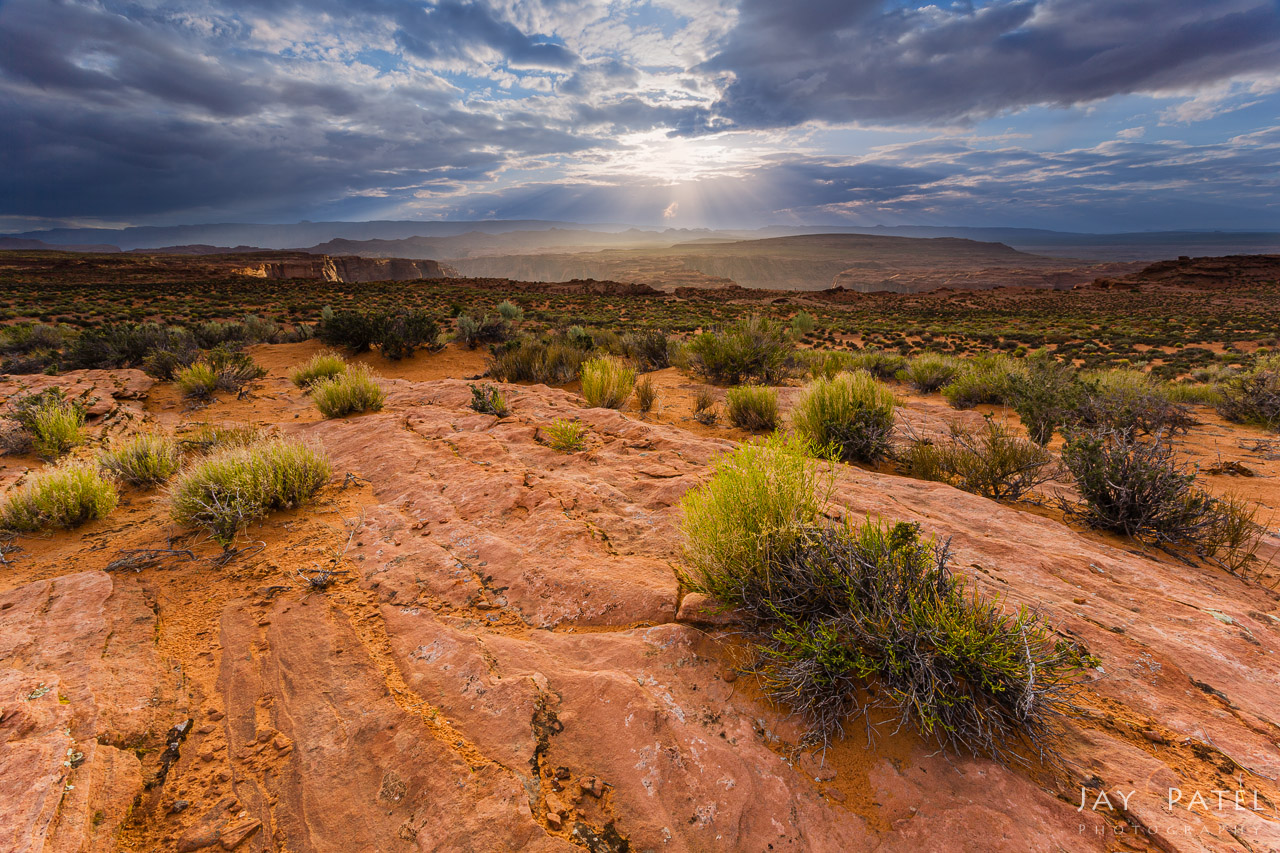
Landscape photography from Horseshoe Bend, Glen Canyon Recreational Area, Arizona captured usin F18 Aperture.
Beginners should also understand that depth of field is influenced by:
- Focal length
- Focus distance
- Camera sensor size
Mastering aperture control is a critical skill for improving landscape photography results.
7. Experiment With Different Perspectives
Nature photography improves when beginners move beyond eye-level shooting. Experimenting with perspective encourages creativity and originality.
Try:
- Shooting from a low angle to emphasize foreground elements
- Finding elevated viewpoints for layered compositions
- Backing up and using longer focal lengths
- Moving closer to simplify the scene
Changing perspective often reveals compositions that others overlook, helping beginners develop a more personal photographic style.
8. Include Sky in Your Landscape Photography Composition
The sky can transform an ordinary scene into a compelling image. Whether it’s dramatic clouds, colorful sunsets, or stormy conditions, the sky often plays a critical role in landscape photography composition.
Beginner tips for including sky:
- Use leading lines to guide the viewer upward
- Balance sky and foreground elements
- Avoid featureless skies unless intentionally minimal
Learning when the sky adds value—and when it doesn’t—is key to strong composition.
9. Find a Unique Location to Add Mood and Drama
Location plays a major role in nature photography, but beginners don’t need exotic destinations to create compelling images.

Volcanic Light at a unique location, Big Island, Hawaii
Look for:
- Unique light rather than famous locations
- Weather conditions that add mood
- Uncommon viewpoints at popular locations
- Subtle details others ignore
A seemingly ordinary location can become extraordinary with thoughtful composition, light, and timing.
10. Keep Your Photography Composition Simple
One of the most powerful beginner nature photography tips is learning to simplify compositions. Cluttered images often confuse viewers and weaken visual impact.
To simplify your compositions:
- Identify a clear subject
- Remove distracting elements
- Use clean backgrounds
- Limit competing visual elements
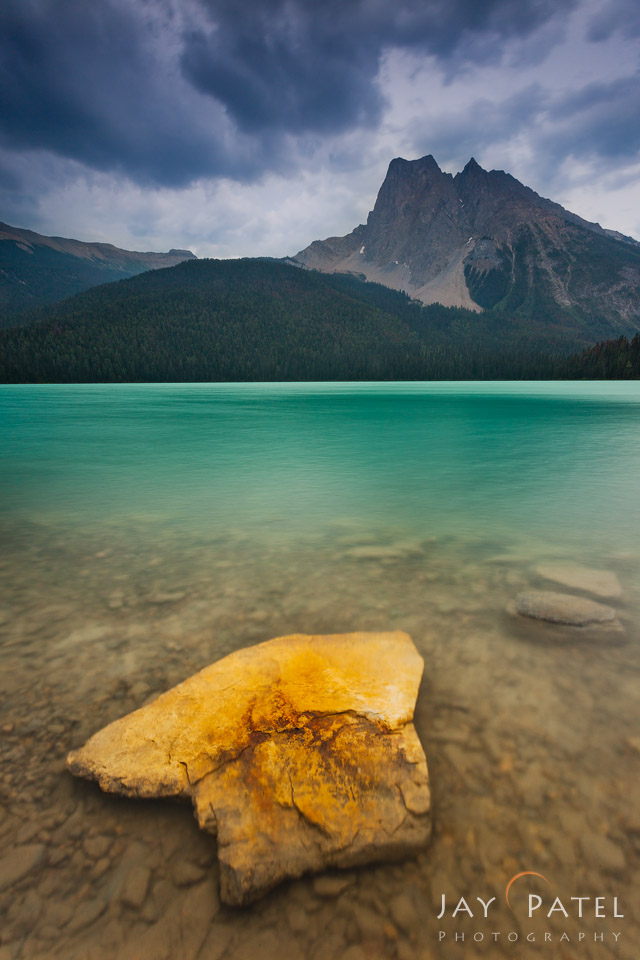
Uncluttered landscape photography composition at Emerald Lake, Yoho National Park, British Columbia, Canada
Simple compositions help communicate mood, scale, and emotion more effectively—especially in landscape photography.
Conclusion: Build Strong Foundations in Nature Photography
Nature photography isn’t about owning the most expensive camera or traveling to faraway destinations. It’s about understanding light, mastering composition, and developing intentional habits in the field.
By applying these top 10 beginner nature photography tips, you’ll build a solid foundation that supports long-term creative growth. Focus on learning your camera, using a tripod, choosing the right lenses, and simplifying your compositions. Over time, these skills will become second nature—and your images will reflect that confidence.
Nature photography is a journey. Start with strong fundamentals, stay curious, and let the landscape teach you how to see.
About Author Jay Patel

I could startoff like this – “Seeds of Jay Patel’s appreciation for beautiful places were planted early in his childhood….” but it would get boring really fast. I will just sum it up and say that I am a Landscape and Wilderness Photographer who loves to capture dramatic light. My photographs have been published in various magazines, calendars and advertising materials throughout the world.
Patience is a virtue...unless you are chasing your dreams