3 Landscape Photography Traps Beginners Should Avoid
Landscape photography is one of the most inspiring genres of photography. Majestic mountains, dramatic skies, winding rivers, and intimate forest scenes draw countless beginners into the field each year. Yet despite investing time, money, and passion, many new landscape photographers feel frustrated when their images don’t match what they envisioned.
The problem usually isn’t talent—or even effort.
In my experience teaching landscape photography workshops and mentoring photographers, beginners tend to fall into the same predictable traps. These mistakes slow progress, create unnecessary frustration, and often lead people to believe they “just don’t have the eye” for landscape photography.
The truth is far more encouraging.
In this article, we’ll break down three of the most common landscape photography traps beginners should avoid, explain why they’re so tempting, and—most importantly—show you what to focus on instead. Avoiding these pitfalls will help you improve faster, create more meaningful images, and enjoy the process far more along the way.
If you’re looking for a complete step-by-step roadmap, this article is part of a broader beginner resource. You may also find it helpful to explore our comprehensive Nature Photography for Beginners Guide, which gives step-by-step guidance into camera settings, composition fundamentals, and post processing techniques.
Trap #1: “I Need the Latest Landscape Photography Equipment”
Few things are more seductive than new camera gear. Many beginner landscape photographers spend countless hours reading reviews, comparing camera specs, studying MTF charts, and debating sensor sizes. Eventually, they convince themselves that the missing ingredient in their photography is the latest camera body or the sharpest lens money can buy.
After weeks—or months—of research, they may finally invest in a brand-new camera and premium lenses, fully expecting their landscape photography to take a dramatic leap forward.
But will it?
Why Gear Obsession Holds Beginners Back
Let’s be honest—buying landscape photography gear is the fun and easy part. Learning how to see light, compose effectively, and work creatively in the field is far more challenging.
While modern cameras are incredibly capable, no camera can compensate for a lack of vision, field technique, or creative intent. Many beginners overlook the most important question: How do I actually use this equipment to make compelling landscape photographs?
I often hear people argue that an older camera can’t possibly compete with today’s technology. It’s true that modern cameras offer improved dynamic range, resolution, and low-light performance. However, an effective landscape photographer understands their camera’s limitations—and works creatively within them.
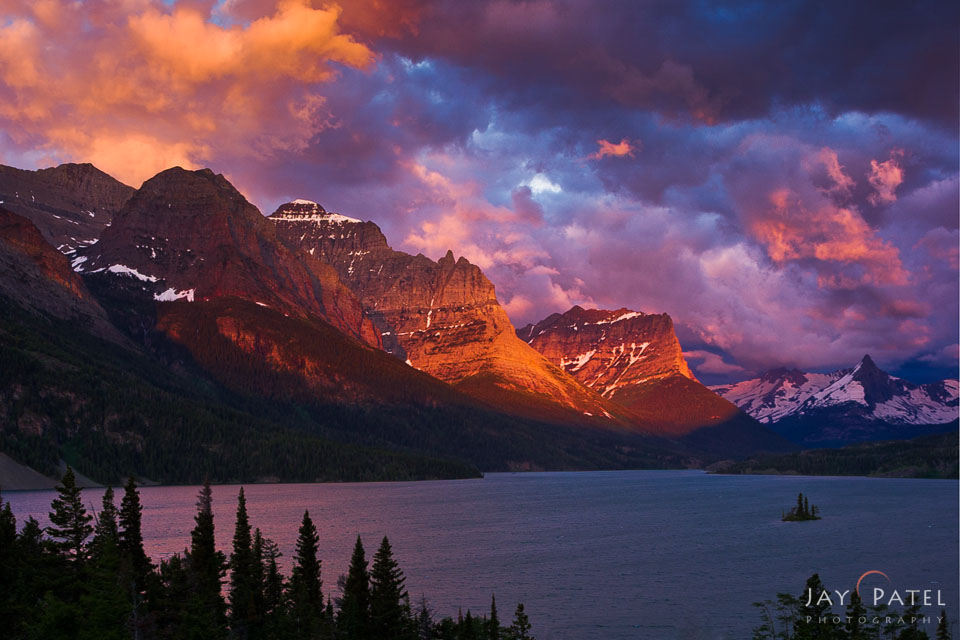
Landscape Photography Canon D30, Glacier National Park, Montana
Some of my favorite landscape photographs from were captured with cameras that are now more than a decade old. The difference wasn’t the gear—it was the knowledge behind it.
What Beginners Should Focus On Instead
If you’re just getting started, you don’t need the most expensive camera on the market. A solid mid-range DSLR or mirrorless camera, a wide-angle lens, a telephoto lens, and a sturdy tripod are more than enough.
Once you have the basics covered, your energy is far better spent on:
- Learning how to read natural light
- Understanding composition and visual flow
- Mastering exposure and depth of field
- Developing strong field techniques
- Practicing thoughtful post-processing
When you know how to create a strong image, you’ll be able to do so with almost any camera. Gear should support your vision—not replace it.
Trap #2: “Landscape Photographers Must Spend Months on Location”
Another common misconception among beginner landscape photographers is that professionals spend most of their year traveling to exotic locations, waiting endlessly for perfect light.
When people ask how much time we spend shooting in the field each year, they’re often surprised to hear that it’s typically 30–40 days total. The rest of the time is spent planning, managing our business, processing images, and refining our craft.
So how is it possible to produce a large portfolio of strong landscape images with relatively limited travel?
The Power of Planning and Research
Successful landscape photography is rarely accidental. Before visiting a location, we invest time researching:
- Weather patterns and seasonal conditions
- Sunrise and sunset angles
- Moon phases and tides
- Local flora and peak color timing
- Terrain access and safety considerations
We often reach out to local photographers to learn about hidden gems and current conditions. This preparation allows us to maximize opportunities when we’re actually in the field.
Once on location, flexibility becomes critical. Even the best plans can fall apart due to unexpected weather or environmental changes. Experience teaches you when to adapt rather than force a preconceived idea.

Fall Photography from Snowmass Wilderness, Colorado – 2007
Adapting When Conditions Change
On one trip to Colorado, I returned to a lake I had photographed years earlier (above photo from 2007). Due to drought, the waterline had receded dramatically, leaving behind mud and decaying vegetation. The scene I remembered no longer existed.


Fall Photography from Crystal Creek, Colorado – 2012
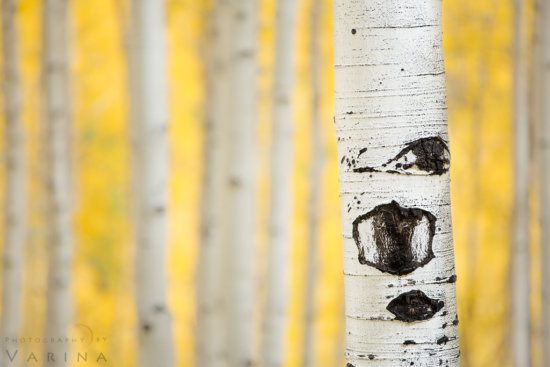
Nature Photography with Telephoto Lens, Marble, Colorado – 2012

Macro Photography, Marble, Colorado – 2012

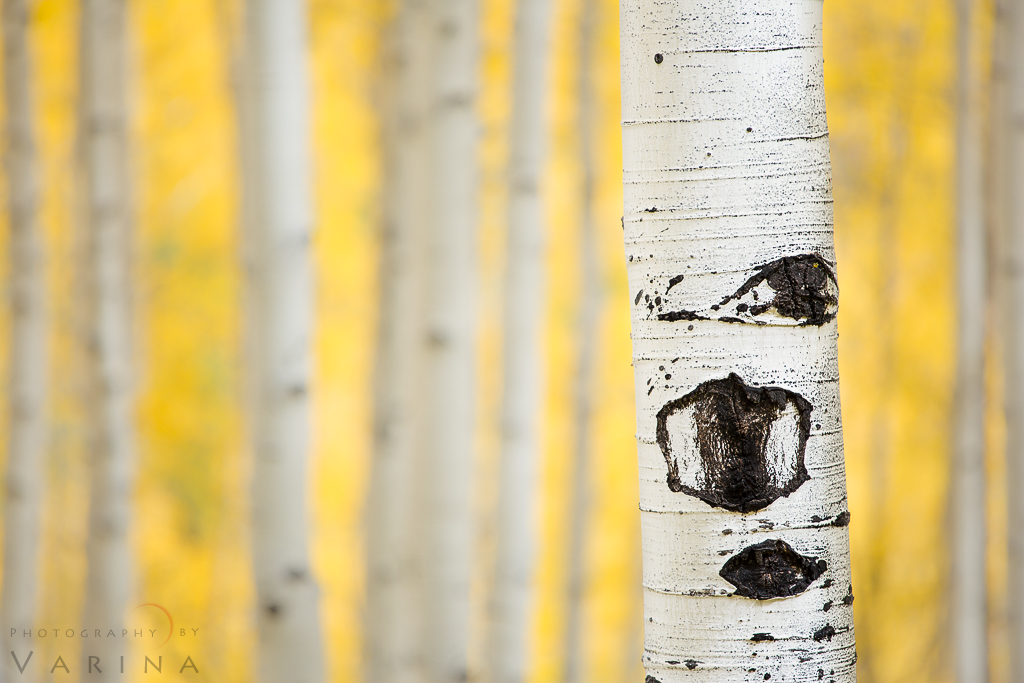

Rather than giving up, I shifted my focus. Nearby areas—forests, streams, and smaller details—still offered beautiful photographic opportunities. By being open to alternative compositions, I came away with images I truly enjoyed.
The lesson is simple: you don’t need endless travel—you need awareness and adaptability.
Trap #3: “I’ll Fix It in Photoshop”
Post-processing is an essential part of modern landscape photography, but it’s often misunderstood—especially by beginners.
Many photographers fall into the habit of thinking, “I’ll just fix it later in Photoshop.” This mindset can quickly erode creative decision-making in the field.
Why Photoshop Can’t Replace Field Creativity
While post-processing allows you to refine tonal contrast, color balance, and mood, it cannot compensate for poor light, weak composition, or technical mistakes made in the field.
Creativity starts long before you open editing software.

Sea Anemones at low tide, Australia
During a shoot in Australia, we encountered sea anemones that were closed due to low tide (above image). Rather than abandoning the scene, we worked with the environment—gently introducing seawater to simulate incoming tide conditions. After a short time, the anemones opened, revealing their brilliant colors (Image #1 below).


Image #1: Harsh light behind the Sea Anemone, Australia

Image 2: Soft light behind the Sea Anemone with a Diffuser, Australia
Later, harsh sunlight created distracting shadows. No amount of Photoshop could realistically fix this issue. The solution came from the field: using a diffuser to soften the light and create even illumination (Image #2 above).
Only after solving these challenges in-camera did post-processing play its role—enhancing what was already there, not rescuing a failed image.
The Right Way to Use Post-Processing
Post-processing should be used to:
- Enhance mood and atmosphere
- Refine tonal relationships
- Emphasize light and subject separation
- Support your creative intent
It should never be a substitute for thoughtful field work. When creativity and technique come first, post-processing becomes a powerful finishing tool—not a crutch.
Get Started the Right Way
It’s easy to feel intimidated by professional landscape photographers on social media—especially when they showcase exotic locations, high-end gear, and dramatic edits.
But beginners don’t need to follow that path.
Start with equipment you can afford. Invest your time in learning how to see light, compose intentionally, and respond creatively to changing conditions. Build strong camera skills and post-processing fundamentals before committing to expensive travel or gear upgrades.

Punch Bowl Falls, Columbia River Gorge, Oregon
This approach leads to faster improvement, greater confidence, and far more satisfying results.
Landscape photography isn’t about having the best gear, traveling the furthest, or mastering Photoshop shortcuts—it’s about developing your vision and learning how to translate it into meaningful images.
Conclusion: Avoid the Traps, Accelerate Your Growth
Every beginner landscape photographer makes mistakes—it’s part of the learning process. However, avoiding these three common traps can dramatically shorten your learning curve and help you enjoy photography more along the way.
Focus less on equipment and more on education. Travel smarter, not longer. And remember that creativity starts in the field—not on your computer.
If you build your foundation the right way, great landscape photography will follow. Good luck, and enjoy the journey.
About Author Jay Patel

I could startoff like this – “Seeds of Jay Patel’s appreciation for beautiful places were planted early in his childhood….” but it would get boring really fast. I will just sum it up and say that I am a Landscape and Wilderness Photographer who loves to capture dramatic light. My photographs have been published in various magazines, calendars and advertising materials throughout the world.
Patience is a virtue...unless you are chasing your dreams